
The final whistle has blown, the confetti has settled, and the biggest FIFA World Cup in history is officially in the books. The 2026 FIFA World Cup didn’t just deliver soccer to the world. It delivered a cultural phenomenon to over 6 billion people that fundamentally reshaped who watches the sport and how they engage.
Beyond the action on the pitch, the tournament provided valuable lessons for brands looking to connect with increasingly passionate, digitally connected, and experience-driven fans. Across the tournament, Golin Ketchum Sports helped clients show up in ways that moved beyond traditional sponsorship and sports marketing and became part of the fan experience itself.
A Few Key Takeaways That Stood Out:
Scale Drove Opportunity: With 48 teams and 104 matches, the expanded format created more audiences, more touchpoints, and more opportunities for brands to connect with fans than ever before. Golin Ketchum clients capitalized on this expanded footprint by developing programs that reached fans across host cities, social platforms, retail, live events and more, demonstrating how brands should effectively utilize multiple avenues to maximize reach and campaign engagement.
Fans Want Experiences, Not Just Sponsorships: Brands that broke through didn’t just rely on traditional advertising. They created moments fans could actively participate in. Golin Ketchum helped brands create immersive brand activations, content creation experiences, community events and fan-first programming that brought the world’s game to fans in a tangible way, building off the scale of the tournament and elevating moments for fans.
Creator-Led Content is Now Essential: The World Cup viewing experience extended beyond traditional broadcasts. Social communities and influencers played a key role in how fans consumed and shared content. From creator partnerships to social-first storytelling, Golin Ketchum helped clients extend their reach by leveraging trusted voices and digital communities, meeting target audiences on platforms where they were consuming World Cup content.
Local Relevance Matters: While the World Cup is a global event, many successful programs were rooted in local cultures and communities. Across host markets, Golin Ketchum assisted brands in connecting with fans via live activations, community engagement programs and through localized storytelling that made a global tournament feel personal for audiences.
Soccer’s Growth in North America is Real: This year’s World Cup drove the competition’s highest attendance, packed fan festivals, unprecedented engagement and a record-breaking TV audience for the final that reinforced soccer’s continued U.S. growth. For brands, the World Cup isn’t a culmination of soccer-centric campaigns. It serves as a launching pad for the 2027 Women’s World Cup, LA28 Olympic and Paralympic Games and beyond.
How Our Golin Ketchum Sports Team Showed Up: The 2026 World Cup showed that the blueprint for successful soccer marketing sits at the intersection of live experiences, digital engagement, creator culture, and community. The brands that won weren’t just sponsors; they became an integral part of the fan experience.
Check out some of the amazing work Golin Ketchum helped bring to life this summer:
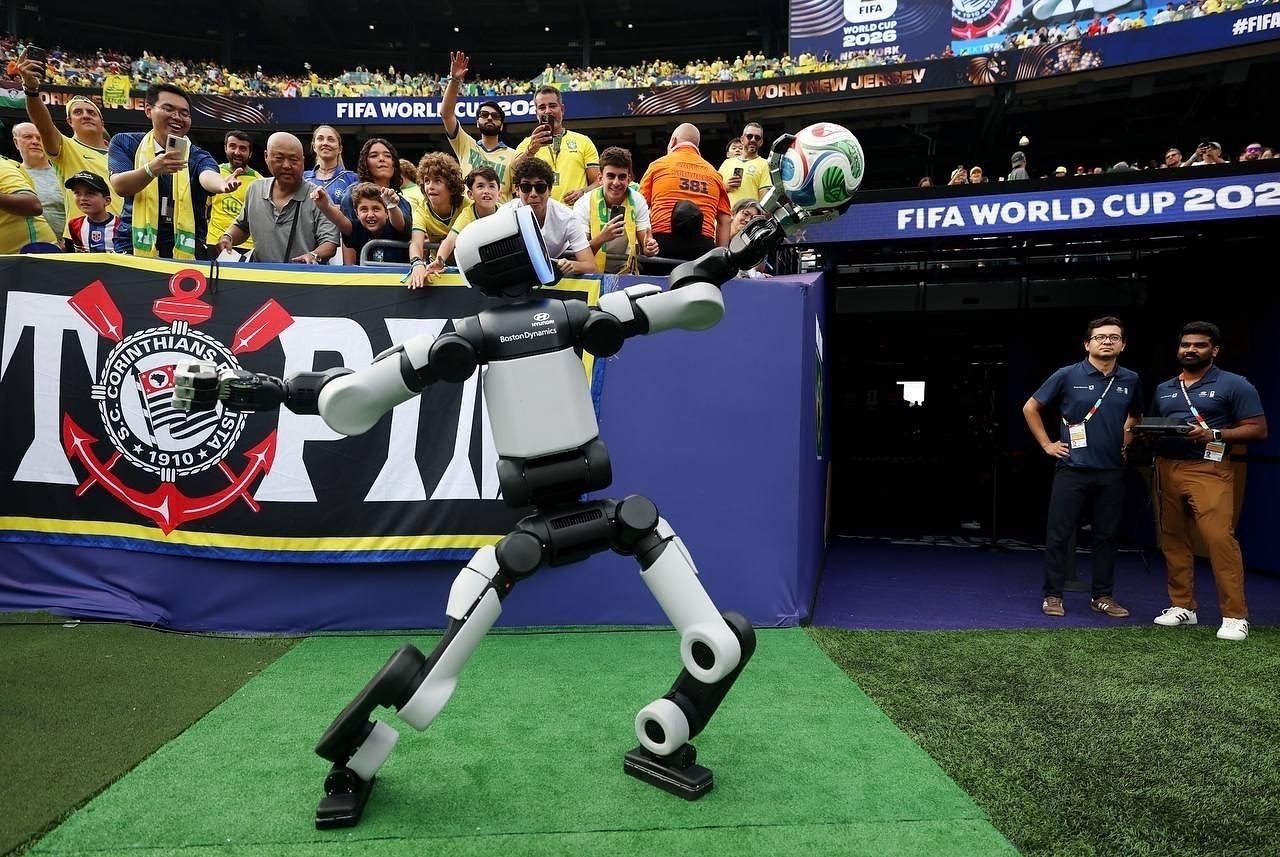
- Hyundai connected soccer, technology and community with experiences ranging from the FIFA Museum at Rockefeller Center in New York to the tournament’s first-ever robotics-powered halftime activation. The brand’s “Next Starts Now” campaign featured Son Heung-min as its global brand ambassador, where he appeared alongside Boston Dynamics’ Atlas, an advanced humanoid robot, in a campaign spot. Taking “Next Starts Now” further, Hyundai hosted youth soccer camps across the U.S., led by Mia Hamm and Tim Howard.
- McDonald’s connected fans to the World Cup through athlete partnerships, limited-time meals, collectible merchandise and digital rewards, turning everyday customer interactions into engaging tournament experiences for both fans and crew members.
- Friskies turned World Cup fever into a rallying cry for cats, stamping some of the tournament’s boldest goals as officially cat-approved — with soccer legend Brandi Chastain leading the celebration of the joy cats bring their people. The payoff: a one-million-can giveaway, including 700,000 meals donated to shelters across host cities.
What’s Next?
The lessons and insights from the 2026 FIFA World Cup will help shape the future of soccer – and more broadly major sporting event – marketing for years to come.
With less than a year until the FIFA Women’s World Cup 2027 and campaign planning already underway for LA28, brands are applying learnings from this summer and strategies that resonated most with audiences: immersive experiences, creator-led storytelling, culturally relevant activations and community-driven engagement.