
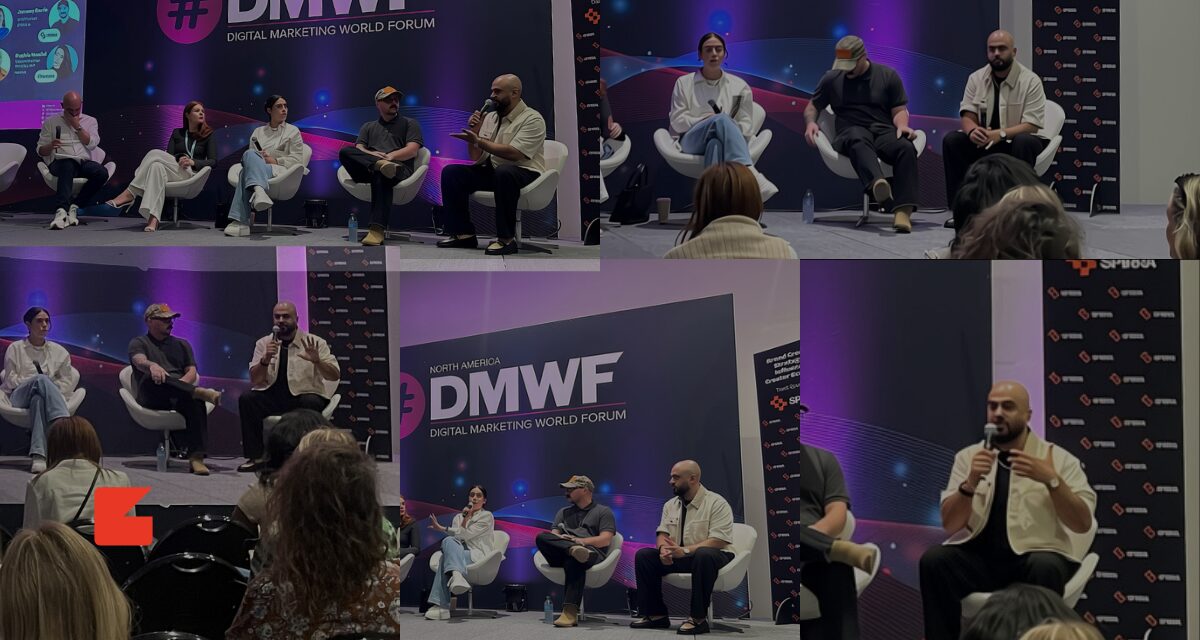
Last week at DMWF North America, Vik K., VP Influence, had the opportunity to join industry peers on stage for a panel discussion on The Future of Creator partnerships.
Vik was able to identify some interesting themes that surfaced throughout the day, both in the conversations on stage and those happening beyond the sessions.
Read on to hear about the themes he found most topical and which provoked the most discussion.
Creator programs as a long-term media strategy, not one-off tactics. The compounding effect of influence is real.
- Sustained creator collaborations should be the goal for brands. Brands running some form of always-on creator program see roughly 70% higher engagement than one-off campaigns, though it’s worth noting only about a third of brands currently take this approach.
- This reflects a broader shift toward owned, recurring engagement models. As we’ve noted before, a structured, consistent approach helps compound the influence brands build with creators and their audiences over time.
Long-term partnerships should be a destination earned
- Creator sentiment, somewhat selfishly, is aligned here too. The majority of creators say they prefer long-term partnerships, valuing stability and deeper brand alignment over one-off deals.
- However, creators should know this is a destination they earn, not something brands hand out immediately. They need to prove their worth through their work, and there are plenty of ways to do that. It doesn’t go unnoticed by agencies or brands.
Data, attribution, and AI as a support system of influencer marketing workflow, but creator selection decisions and creativity should stay with the experts.
- AI adoption in influencer workflows is now mainstream: roughly 60% of marketers actively use AI for creator identification and campaign optimization. The point reiterated by myself and others was that the human lens matters more than ever in anything AI touches, especially where brand reputation is at stake.
- Measurement remains the sticking point, with most brands still citing ROI measurement as their top challenge. Sporadic campaigns, tight budgets, and a lack of long-term planning for influencer work only make measurement harder.
- Creativity shouldn’t be replaced by AI. The term ‘AI slop’ gets thrown around a lot for content that’s obviously AI-made, and audiences can spot it a mile away. Can it help in some ways? Of course, but the people with their fingers on the pulse, genuinely tapped into culture, are the ones who’ll keep creating the content and campaigns that actually stick.
Authenticity and brand trust under scale pressure
- Trust in creators is climbing, even as brands wrestle with the idea that ‘scale’ is all they need. Brands need to rethink what scale actually means.
- A large number of influencers doesn’t automatically equal success. When brands work with lots of creators at once, creativity often goes out the window, you end up with hundreds of pieces of content that all sound the same (scripted, word-for-word brand messaging). This isn’t authentic and doesn’t build trust, though it could enable recall.
- Commentary suggests brands that stay transparent about their values and give creators room for genuine voice and creative freedom build more trust amongst audiences.
- Consumer data reinforces this. Surveys consistently show consumers are more likely to buy from a brand when it partners with a creator they already follow and trust, and most prefer brands that engage their favorite creators across more than a single post. It’s likened to their friend (the creator) “winning.”
- This also means ‘UGC’-type content doesn’t always give brands what they’re looking for beyond ‘volume’ of content. Working with small, unknown creators doesn’t necessarily help build brand love or cultural kudos. Balance is key here.
Thank you, Vik, for sharing these insights and congratulations on a great panel at DMWF.
