
In an era where everyone is creating content but few things are truly shared, earning attention in social feeds has never been harder. Our latest livestream explored what makes social-first stories cut through, what publishers really want from brand campaigns, and marketeers can maximise impact with earned social.
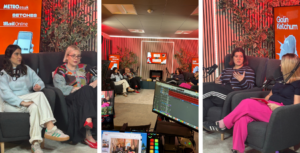
Dulcie Keates-Miles, Golin Ketchum’s Consumer Brand Practice Lead, was joined by Zofia Hare from Metro.co.uk, Mared Perry from Betches and Ellie Beetham from DMG New Media.
Watch the livestream here or get a recap with our takeaways below:
Bring access, not assets
Publishers are creators now. Daily Mail Group alone has around 25 in-house creators specialising in producing content built to work on their channels, and the appetite for this approach keeps growing. “It’s not just about access to talent, it’s access to be able to film content and create ourselves,” said Ellie. A pre-packaged video is worth far less than something they can make their own: a first look, a person, a place or a product nobody else has tried. Talent helps, but it isn’t essential. “It needs to be different so we can put a spin on it and be the first to get there,” said Mared.
Think beyond short-form
Publishers are looking for people-led content, repeatable franchises and longer-form storytelling. “There’s just such appetite for long form content,” said Ellie. “It’s going to be even more people-first than it already is,” added Mared. The future of social is creator-led, and there is room for brands that help build it.
Pitch a format, not just a publication
Just because a brand has developed a great asset doesn’t mean it’s the right fit for social first publishers. The panel’s biggest frustration was generic approaches and over reliance on assets alone, “with no suggestion of how it could fit,” in Zofia’s words. Show you know the outlet’s formats, franchises, tone and audience, and explain where your story sits. Create assets or that “can naturally weave into formats that we know work on the channel,” said Ellie.
Playful and human beats polished
The panel wants content that’s cheeky, entertaining and unexpected. Humour, nostalgia, niche interests and local perspectives earn attention when rooted in relatable human moments. Zofia’s favourite recent campaign was Deliveroo’s Jude Bellingham lookalikes. “Be a little bit outrageous,” she said. Because people connect with people and creator-led content keeps outperforming traditional brand communications. Subtlety matters too: the panel reinforced that the storytelling should be the star, not the brand mention.
Hand over the pen
When Olay brought Kelly Rowland to Betches, the story slotted into a new nostalgia series and the brand stepped back. “It was like, we trust you to do what you do best. Go kill it,” said Mared. The content was later picked up by Good Morning Britain. Trust builds partnerships, too. When McDonald’s wanted to prove its beef was 100% real, Daily Mail Group made a farm-to-factory investigation by one of its creators. The organic video flew and became the foundation of a long-term commercial partnership.
The best moments rarely come with notice
Cultural moments can disappear within hours. Zofia had two or three hours to decide whether to cover the Jude Bellingham lookalikes, and admitted it could have gone either way. “You just have to be brave, take a plunge, and just go with it.” The brands that win reactive culture-led moments have simple ideas, fast sign-off and an appetite for considered risk. Agree what can move quickly before the moment arrives, not during it.
The group chat is the real test
Social-first stories are built to be forwarded, not just viewed. Betches builds its whole identity around this: “Our whole hook is that we’re the funniest mate in the group chat,” said Mared. Before you pitch, ask: would someone screenshot this and send it to a friend? While Zofia said: “The hook is so important, the first three seconds, because if not, someone’s going to scroll,” Build it into your pitch rather than leaving the publisher to find it.